0
4.7from 936 verified reviewsFree Australia-Wide DeliveryQuick Dispatch
4.7 from 936 verified reviewsRead themFree Australia-Wide DeliveryQuick Dispatch
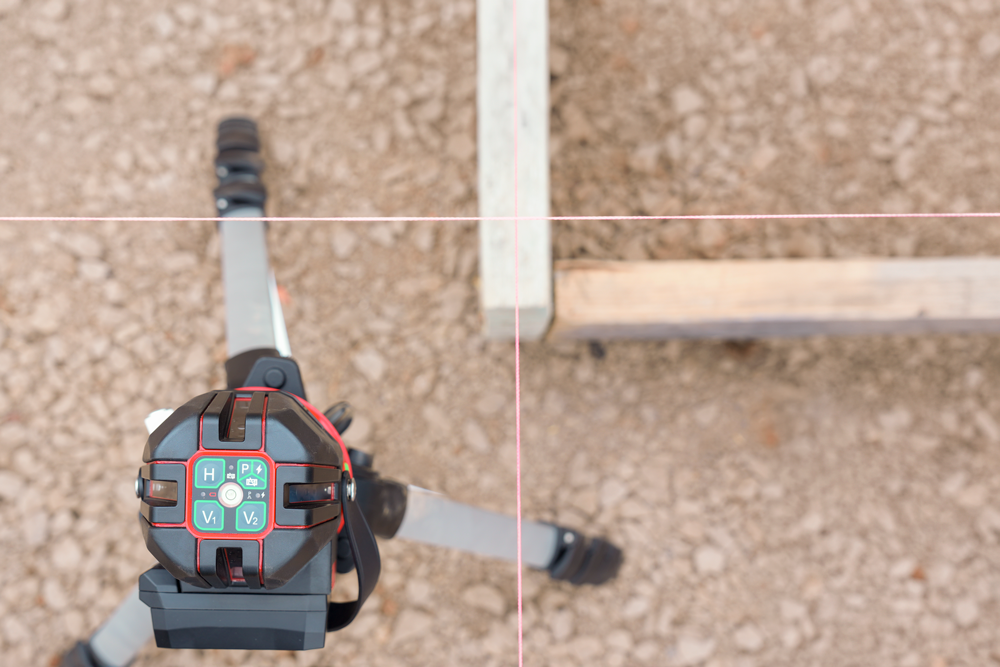
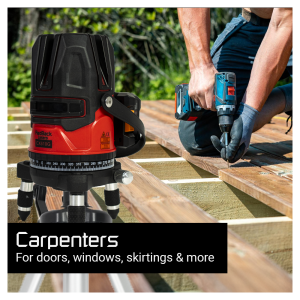
RedBack CX610G laser being used for squaring on a carpentry job
Carpentry · 25 Years

Lasers for Carpenters – Frame. Square. Plumb.


Two product groups for one trade. Multi-line lasers for indoor framing, joinery and set-out work. Rotating lasers for outdoor decking, pergola and large-site work where you need range and a receiver. Pick the one that matches the work you do most.

If you’re after a laser level for carpentry in Australia, this page covers the lot: Class 3 green line lasers for inside work, rotating lasers with a millimetre receiver for outside, and how to pick between them.

25 Years of Laser LevelsClass 3 Green Line LasersUp to 5× Brighter than Class 2IP66 Rated Rotating LasersMillimetre Receivers for Outdoor LevelsIn-House Repairs & Calibration in AustraliaAustralian Phone Support 1800 769 858
Which one?

Line laser or rotating laser?


Most carpenters end up with both eventually. Where the work is – and how far the reference needs to reach – picks which one you start with.

Line Laser

Indoor framing & joinery

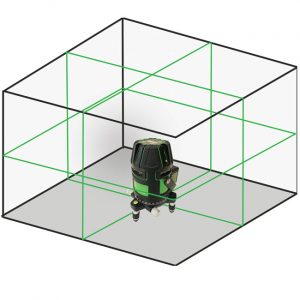
Projects horizontal and vertical lines across walls and floors at close range. Visible to the eye, no receiver needed. The right tool for indoor work, fit-out, and anywhere line-of-sight is the issue.

Best for:

  • Wall frame plumb & layout
  • Kitchen and built-in joinery set-out
  • Stair-stringer marking
  • Door & window opening checks
  • Skirting and architrave heights
Rotating Laser

Outdoor & long-range work

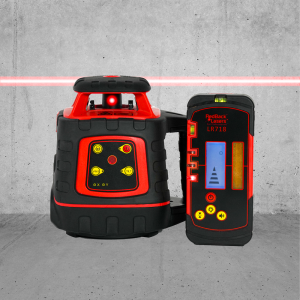
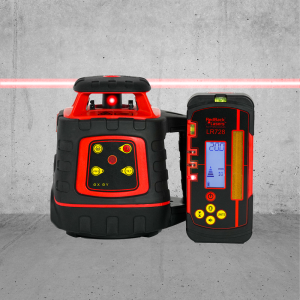
Sits on a tripod and projects a 360° rotating reference plane. Read with a millimetre receiver on a staff. Works in full sun where line-laser beams aren’t visible.

Best for:

  • Decking level over a long span
  • Pergola and post heights
  • Outdoor deck framing checks
  • Site set-out and datum work
  • Anywhere you need to read level at distance
Two Minutes · Laser Types

Dot, line or rotating – the quick version

Not sure you need either? This short guide covers the three types of laser level and the jobs each one suits. Carpenters live in the line and rotating camps – the full line laser range and the rotating lasers hub go deeper on each, and the rest of the range is at RedBack Lasers if your work crosses trades.
Video
Product Group One

Line lasers for indoor work


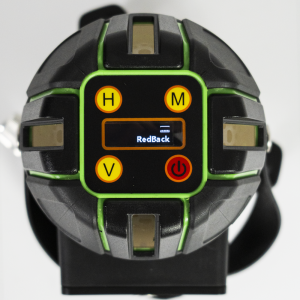
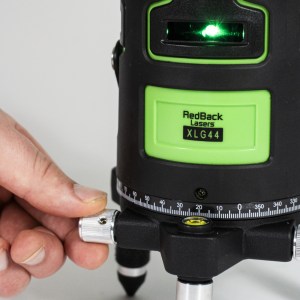
Class 3R green-beam multi-line lasers for daily trade use – bright, sharp, calibratable. The XLG44 family is the flagship; CX610G and Green3DMAX cover the same job at different price points.

Out of Stock
NEW!
Line LaserNEW!

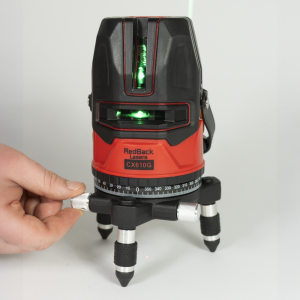
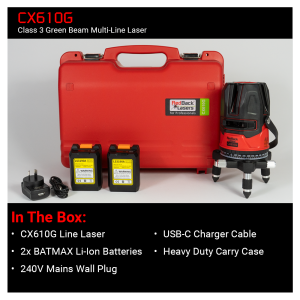
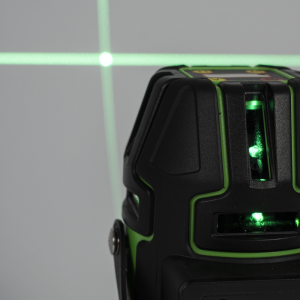
CX610G

Accuracy +/- 2mm @ 10m
Brightness Class 3 (Green)
Plumb-Dot Multi-Line Laser
4x Verticals, 1x Horizontal
Auto-Levelling - Pendulum
80m Outdoor Range (Optional Receiver)
Out of Stock
NEW!
Line LaserNEW!

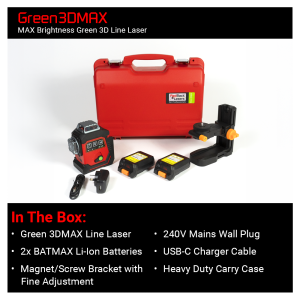
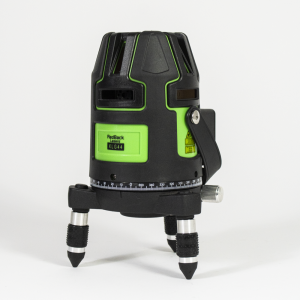
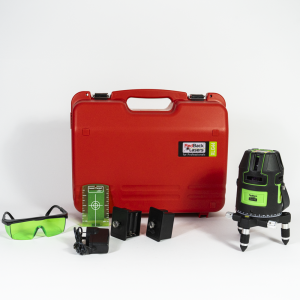
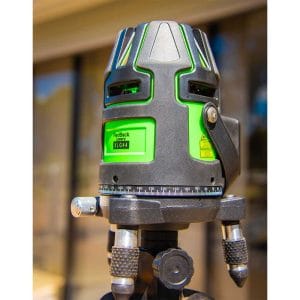
Green3DMAX

Accuracy +/- 2mm @ 10m
Brightness Class 3 (Green)
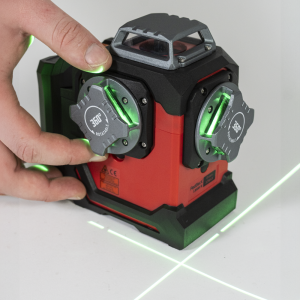
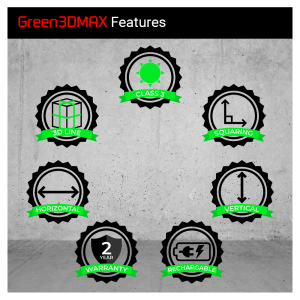
3D Multi-Line Laser
2x 360° Verticals, 1x 360° Horizontal
Auto-Levelling - Pendulum
80m Outdoor Range (Optional Receiver)
Out of Stock
Australia's Best
Line LaserAustralia's Best

XLG44

Accuracy +/- 1mm @ 10m
Brightness Class 3 (Green)
Plumb-Dot Multi-Line Laser
4x Verticals, 4x Horizontals
Auto-Levelling - Electronic
80m Outdoor Range (Optional Receiver)

Torn between them? The comparison below lays the three out spec by spec, and the full line laser range has more options.

Product Group Two

Rotating lasers for outdoor work


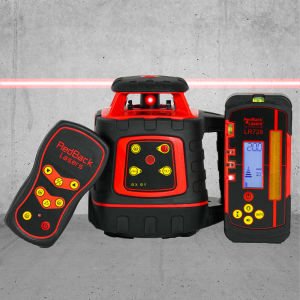
Seven rotating laser levels – entry-level horizontal-only through to the flagship Digital Dial-a-Grade DGL1010GM. All IP66 rated for outdoor work, every model pairs with a millimetre receiver on a staff for setting and checking levels at distance.

Best-seller
Rotating LaserBest-seller

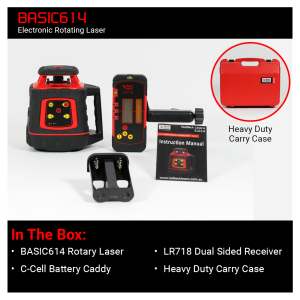
BASIC614

Accuracy +/- 1.5mm @ 20m
Range 600m Diameter
Horizontal
Dual Display Receiver
NEW! mm Receiver
Rotating LaserNEW! mm Receiver

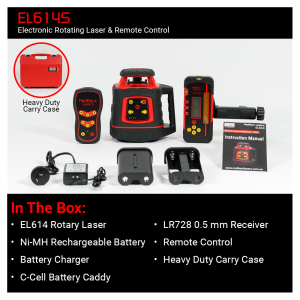
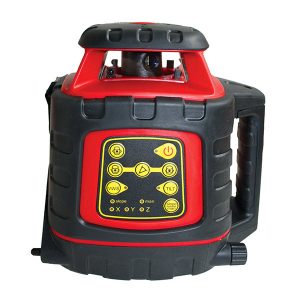
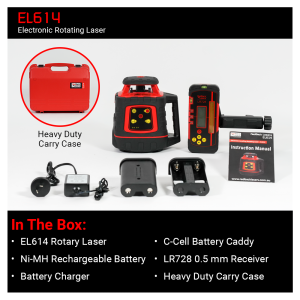
EL614

Accuracy +/- 1.5mm @ 20m
Range 700m Diameter
Horizontal
0.5mm Receiver (80mm Long)
Ni-mh Rechargeable
NEW! mm Receiver
Rotating LaserNEW! mm Receiver

EL614S

Accuracy +/- 1.5mm @ 20m
Range 700m Diameter
Horizontal
0.5mm Receiver (80mm Long)
Ni-mh Rechargeable
Single Grade
Rotating Laser

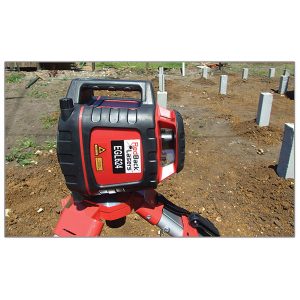
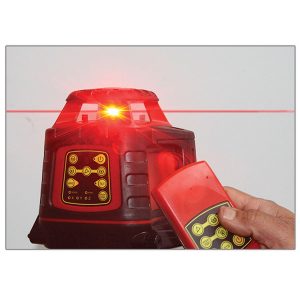
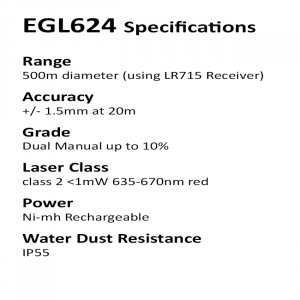
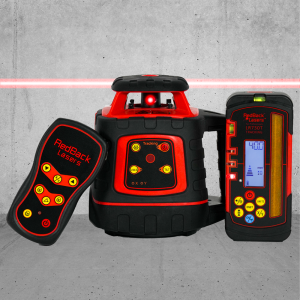
EGL624

 
Accuracy +/- 1.5mm @ 20m
Range 600m Diameter
Horizontal & Vertical
Dual Display Receiver
Ni-mh Rechargeable
Dual Grade
#1 Allrounder
Rotating Laser#1 Allrounder

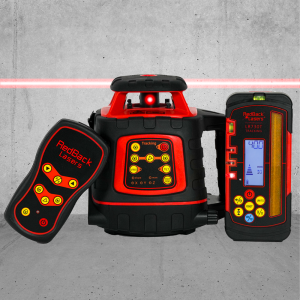
EL614GM

Accuracy +/- 1.5mm @ 20m
Range 800m Diameter
Horizontal
0.5mm Tracking Receiver (120mm Long)
Ni-mh Rechargeable
Single Grade | Auto Match
Dual Grade
Rotating LaserDual Grade

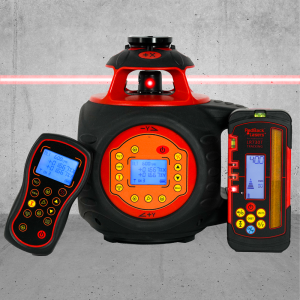
EGL624GM

Accuracy +/- 1.5mm @ 20m
Range 800m Diameter
Horizontal & Vertical
0.5mm Tracking Receiver (120mm Long)
Ni-mh Rechargeable
Dual Grade | Auto Match
#1 Earthmovers
Rotating Laser#1 Earthmovers

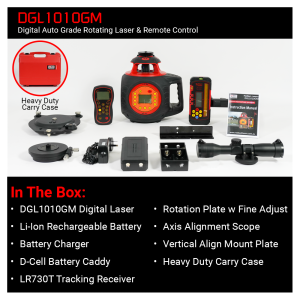
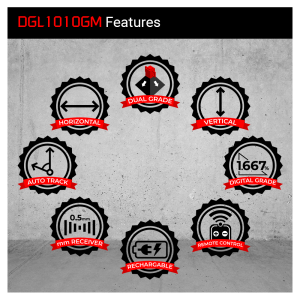
DGL1010GM

Accuracy +/- 1mm @ 20m
Range 1000m Diameter
Horizontal & Vertical
0.5mm Tracking Receiver (120mm Long)
Li-ion Rechargeable
Dual Grade | Dial-a-Grade

Want the deep dive on rotary lasers – how they work, every model compared, budget picks? It’s all on the rotating lasers hub.

Video Hub

Carpenters lasers on the job

Watch the lasers this page recommends on real work – the XLG44 up close, three line lasers tested outdoors for level and square, rotary laser and receiver basics, and which laser type suits which job.

Use cases

Carpentry jobs a laser pays for itself on


Where a laser earns its keep on a carpentry job – most of these are jobs you’d otherwise do with a long spirit level or a string-and-plumb-bob set-up.

Wall frame layout & plumb

Vertical line down the stud line plumbs every frame before the sheets go on. Horizontal line at top plate height confirms the frame is square in the room. Solo, no calling out to an off-sider.

Deck level & framing

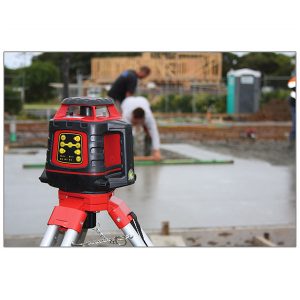
Rotating laser on a tripod, mm receiver on a staff – set joist heights across a long deck consistently. Tilt the laser for a 1-in-100 fall away from the house if you want the deck to shed water.

Pergola & post plumb

Set posts plumb in two directions before the concrete sets. The vertical line on a multi-line laser sets the post; the rotating laser checks every post hits the same height across a long pergola or carport.

Kitchen & built-in joinery set-out

Cabinet rail line, splash-back top, overhead-cupboard datum – every height marked off the same laser line. Square laser sets the run for L-shaped or U-shaped kitchens.

Stair-stringer marking

Cut the stringer to the laser line. Vertical line marks the riser positions, horizontal line marks the tread heights – no compounding error from re-measuring up the run.

Datum / RL across a site

Run a benchmark off the survey peg, set instrument height, transfer the datum to wherever you need it. One laser plane, all the heights on the site come off it.

Buyer’s Guide

How to choose a laser level for carpentry


Match the laser to the job in front of you, not the spec sheet. Five common briefs and the pick for each – then the line lasers compared spec by spec.

Indoor framing, fit-out & joinery

A green multi-line laser. The XLG44 is the accuracy pick – servo electronic self-levelling at +/-1mm @ 10m. The CX610G gets you Class 3 brightness for less, and the Green3DMAX adds true 3×360° coverage.

Decking & outdoor levels

A rotating laser with a millimetre receiver on a staff. The BASIC614 is the entry point; the EL614 steps up to a 0.5mm millimetre receiver for reading exact heights at distance.

Falls & drainage

The EL614S sets a single grade via slope remote – built for drainage and slopes like a deck fall. Bigger grade work lives on the grade lasers page.

Post plumb & vertical set-out

The EGL624 and EGL624GM rotate vertically with auto levelling for alignment and set-out – posts, walls and site layout off the same tool that levels your deck.

One laser that does the lot

The EGL624GM – the most versatile and fully featured laser in the range, with 1-button Auto Grade Match and Auto-Align to its 0.5mm receiver. The flagship DGL1010GM adds digital grade to +/-10.000% dual axis on top.

RedBack line laser comparison for carpentry – lines, levelling, accuracy and rangeCompare Line Lasers
RedBack line laser comparison: lines, levelling, accuracy and range
CX610GGreen3DMAXXLG44
Laser lines4 vertical + 1 horizontal (120° fan)3 × 360° linesMulti-line + plumb dot – 9 diodes, 1 per line
Self-levellingUltra-fast auto-levelling pendulumHeavy-duty pendulumServo electronic levelling
Accuracy+/-2mm @ 10m+/-2mm @ 10m+/-1mm @ 10m
Visible rangeUp to 30m radius (light dependant)Up to 40m radius (light dependant)Up to 40m radius indoors
Range with receiver40m radius, 80m diameter40m radius, 80m diameterUp to 50m radius, 100m diameter
Battery2 × Li-ion rechargeable, USB-CLi-ion 12V 2.0Ah rechargeableLi-ion rechargeable or AA
Best forSquares & set-out – rotates around its plumb dotTrue 3D coverage, plus manual mode for slopesThe flagship – accuracy & brightness for daily trade use
View →View →View →

Standard on all three: Class 3 <5mW green beam · IP54 dust & water resistance · pulse mode for optional outdoor line laser receivers.

Why RedBack

The RedBack difference


Anyone can sell a laser. Few back it properly.

01 · Specialists

Specialist range, not filler

We sell laser levels and measurement tools – that’s it. Every laser on this page is one we’ve used and chosen because it works for carpenters, not because it fills a catalogue page.

02 · Repairable

Built to last, built to be repaired

Solid construction, built for the long term. RedBack provides in-house repair and calibration services for all RedBack lasers and most other laser brands.

03 · Real People

Real support, real people

Call us and you’ll speak to someone who knows the products. No scripts, no call centre, no runaround – just straight answers from people who’ve worked with these tools for 25 years.

Pair With

Accessories for carpentry


Indoor monopole and wall mount for the line lasers, suction mount for adjustable in-room positions. For rotating-laser work, tripod + staff bundle plus a hand-held mm receiver for level checks at distance.

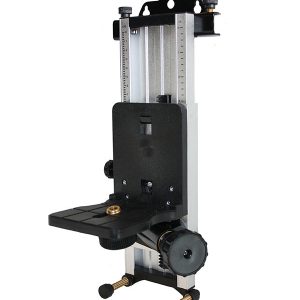
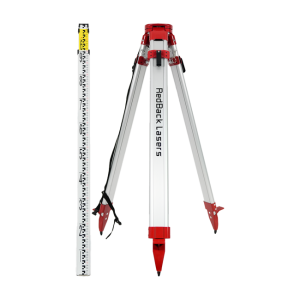
WB5 Wall Mount Bracket RedBack Lasers interior fit out suspended ceiling plastering installation Mounts WB5 - Wall Mount Bracket 5/8 Survey Thread $119.00inc GST View → DC10 Suction laser Mount Continuos automatic electronic suction motor Mounts DC10 - 3 in 1 Suction Laser Mount with Dust Collector and Green Laser $149.00inc GST View → Out of Stock 3MIMP Indoor Monopole interior fit out laser level Tripods & Staffs 3MIMP - Indoor Monopole 1/4 inch & 5/8 Survey Thread $149.00inc GST View → cx610g-configurator-thumbnail-240hdf Tripods & Staffs 240HDF - Tripod & Staff Bundle $200.00inc GST View →
Out of Stock
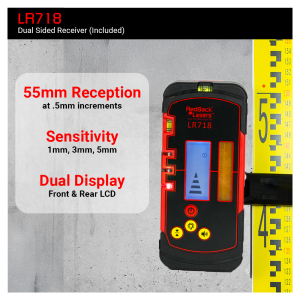
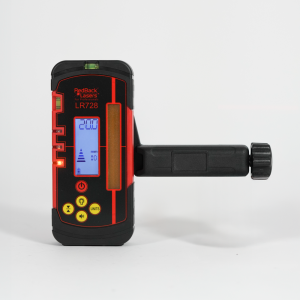
Laser Receiver

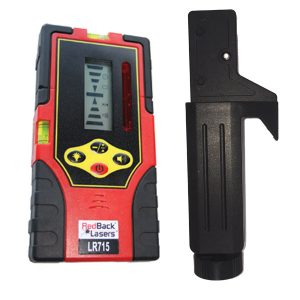
LR728

 
Sensor Length 80mm
Accuracy 0.5mm
Rotary Lasers
Red & Green Lasers
+/-20.0mm Display w/ Arrows
5 Accuracy Settings
Audible Speaker (Toggleable)
Metal Staff Bracket
Out of Stock
Laser Receiver

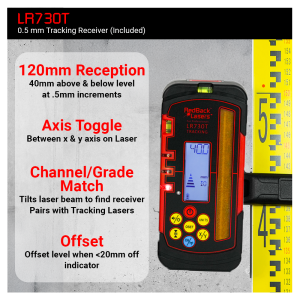
LR730

Sensor Length 120mm
Accuracy 0.5mm
Rotary Lasers
Red & Green Lasers
+/-40.0mm Display w/ Arrows
5 Accuracy Settings
Audible Speaker (Toggleable)
Metal Staff Bracket
FAQ

Carpenters laser questions


Which laser should I get as a carpenter?

Most carpenters end up with both eventually. Where the work is – and how far the reference needs to reach – picks which one you start with. Mostly indoor framing, fit-out and joinery: a green multi-line laser like the XLG44 or CX610G. Mostly outdoor decking, pergolas and site work: a rotating laser with a millimetre receiver, starting at the BASIC614. The comparison at the top of this page breaks it down.

What is a laser level used for in carpentry?

It replaces the long spirit level and the string-and-plumb-bob set-up. A line laser projects horizontal and vertical reference lines across walls and floors for framing, joinery set-out, stair-stringer marking and opening checks. A rotating laser projects a 360° reference plane outdoors, read with a millimetre receiver on a staff, for deck levels, post heights and site datum work. One person does jobs that used to need two.

What’s the difference between a line laser and a rotating laser?

A line laser projects lines across walls and floors at close range – visible to the eye, no receiver needed. The right tool for indoor work, fit-out, and anywhere line-of-sight is the issue. A rotating laser sits on a tripod and projects a 360° rotating reference plane, read with a millimetre receiver on a staff – it works in full sun where line-laser beams aren’t visible. See the full rotating lasers hub for the deep dive.

Green or red laser level – which is better?

Indoors, green wins. All three line lasers on this page run Class 3 green beams – up to 5× brighter than standard Class 2 lasers – so the line stays visible to the eye in a lit room. Outdoors it matters less than you’d think: rotating-laser work is read with a receiver, not by eye, and receivers like the LR728 and LR730 detect red and green rotating lasers equally well. That’s why the rotating range runs red beams – the flagship DGL1010GM uses a brighter Class 3 red beam for maximum range.

Which laser level is best for indoor framing and fit-out?

The XLG44 is the flagship: servo electronic self-levelling, +/-1mm @ 10m accuracy and nine German OSRAM diodes for maximum brightness. The CX610G and Green3DMAX cover the same job at different price points – the CX610G with 4 vertical lines that rotate around its plumb dot for squares and set-out, the Green3DMAX with true 3×360° coverage. All three are Class 3 green.

Which laser level is best for decking?

A rotating laser on a tripod with a millimetre receiver on a staff – set joist heights across a long deck consistently, solo. If the deck needs a fall to shed water, tilt the laser: the EL614S sets a single grade via slope remote for exactly this kind of drainage work. For bigger grade jobs, see the grade lasers range.

Can I use a line laser outdoors?

Yes, with a receiver. All three line lasers here have pulse mode for optional line laser receivers – the XLG44 reads out to around 50m radius with a receiver, the CX610G and Green3DMAX to 40m. By eye, outdoor visibility depends on the light. For full sun and longer distances, a rotating laser with a millimetre receiver is the better tool – that’s what it’s built for.

Which laser level is best for DIY?

For occasional indoor jobs, a Class 3 green line laser like the CX610G covers levels, squares and plumb. For outdoor DIY – decking, retaining walls, levelling a shed slab – the BASIC614 is the entry point to the rotating range: a premium electronic rotating laser at a cost-effective price. There’s also a dedicated budget rotating laser section on the rotating hub.

Do I need a tripod for a laser level?

Not always. Indoors, the 3MIMP indoor monopole clamps a laser at any height in rooms up to 3m with no tripod, the WB5 wall bracket screws to the wall with height adjustment, and the DC10 suction mount holds a laser on walls without magnets or drilling. For rotating-laser work outside, the 240HDF tripod & 2.4m staff bundle is the standard set-up.

Real support. Real people.

Picking a kit, or matching a laser to a job?


25 years of laser-level experience on the other end of the phone. Tell us what work you do most and we’ll point you at the right line laser, rotating laser, or both.